Heavy Strength Training For Women: Truths and Myths
By Luiz Soupinski
Heavy strength training is often misunderstood when it comes to women. Many women are told that lifting heavy weights will make them bulky, that they should only use light weights, or that high repetitions are the best way to look “toned.” These ideas are repeated so often that they are accepted as truth, even though science does not support them. Understanding what strength training actually does is important for women’s health, confidence, and long-term well-being.
I have worked in the health care system for about nine years, and during this time I have seen a large amount of incorrect information shared with women. This is frustrating because much of this advice comes from professionals or influencers who say, “This works for me.” One of the basic rules of strength training is individual differences. Everybody responds differently to exercise. Age, genetics, and training history all play a role. What works for one person may not work for another.
This misinformation is also sad because it often leads women to waste time and effort, or even get injured. Many women become discouraged when they do not see results and eventually stop training altogether. Social media also plays a role, as many influencers have bodies shaped mainly by genetics rather than by their training programs. Being very skinny is often praised, but it is not the same as being healthy.
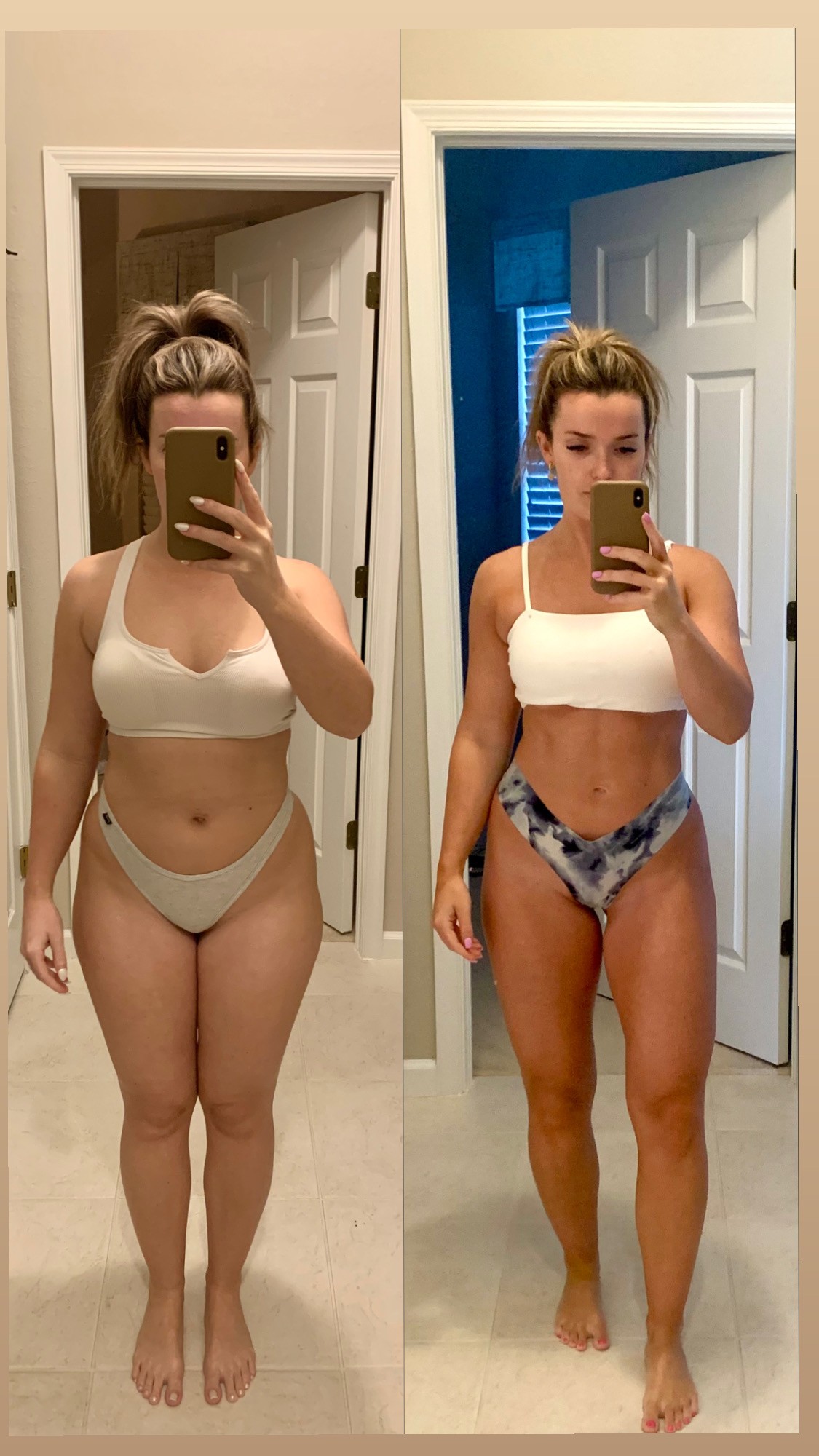
One of the most common myths is that lifting light weights with many repetitions will make the body “toned.” In reality, toning is not a real physical process. The body changes in two main ways: it builds muscle and it loses fat. Weight loss happens when the body is in a calorie deficit, which is mostly influenced by diet.
Training helps by increasing daily calorie use, but it is not required to lose weight. Muscle is built through resistance training, not through endless light repetitions.
People often say they want to gain “lean muscle,” but muscle itself is already lean.
There is no such thing as fat muscle. You either gain muscle, gain fat, or gain both at the same time. Gaining both is related mainly to diet, not to the type of training you do.
Scientific research shows that muscle growth requires moderate to heavy loads. Lifting about 70–80% of one’s maximum weight is effective for muscle growth, while 80–90% is used for strength gains. Very light weights with high repetitions mostly train muscle endurance, which is a different goal. To build strength and muscle, heavier weights with fewer repetitions are needed.
Another common fear among women is becoming “too muscular,” especially in the arms. Many women avoid training their upper body because they do not want to look like men. This fear is not realistic. Women naturally have lower levels of testosterone, a hormone that plays a major role in muscle growth. Because of this, women build muscle more slowly and to a much smaller degree than men, especially in the upper body. On average, women have about half the upper body strength of men, while the difference in lower body strength is smaller. Even with heavy training, women will not suddenly develop large, masculine muscles.
Cultural pressure also affects how women view their bodies. Society, and especially Hollywood, promotes extreme thinness as the ideal body type. This message has led many women to develop unhealthy habits and negative body image. Science shows the opposite of what this culture promotes: having more muscle mass is strongly linked to better health, longer life, better movement, and greater independence as we age. Strength training improves metabolism, bone health, and overall quality of life.
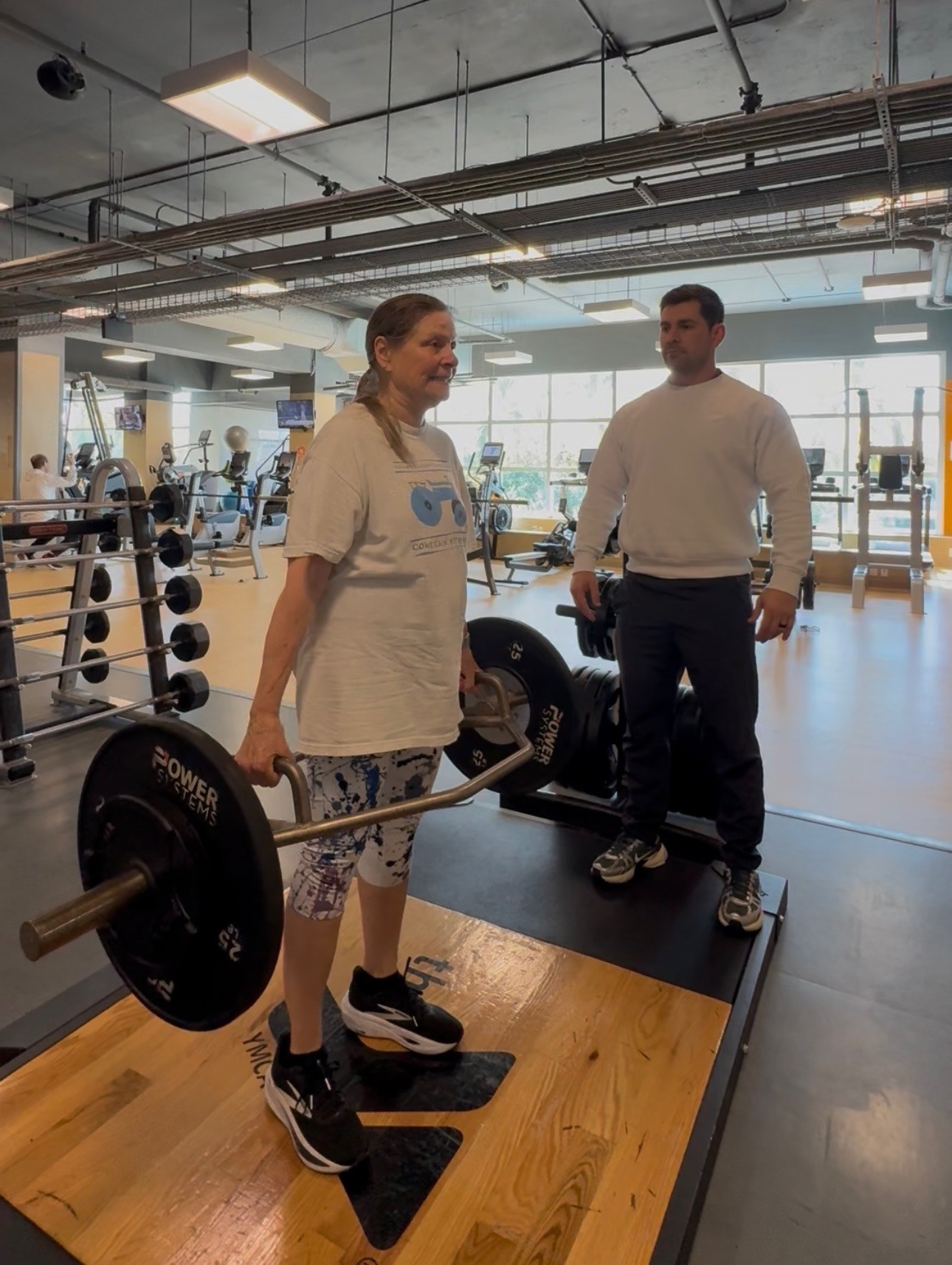
A final misconception is that older women should only train with very light weights. Research done on older women shows the opposite. “Despite numerous studies documenting the effectiveness of heavy‐very heavy strength training to mitigate the age‐ and disease‐related decline in muscle strength, the application in clinical practice seems to be underutilized. Notably, heavy‐very heavy strength training has the potential to reverse several decades of age‐related decline in 1RM, RFD and power in both healthy and diseased older adults. The current review highlights the positive effects of heavy‐very heavy strength training for healthy and diseased older adults and the feasibility, safety, and clinical implications of such exercise. Specifically, strength training with heavy‐very heavy loads should be recommended for all older adults and implemented in patient care, especially of the lower extremities as the strength loss is more pronounced in the locomotor muscles with age.”
In conclusion, heavy strength training is safe, effective, and beneficial for women of all ages. Many common beliefs about women and weight training are based on myths rather than science. By understanding how the body truly works, women can train with confidence, become stronger, feel better, and support long-term health.
References
APA Citation:
Health.com. (2024). Health benefits of strength training. Retrieved from https://www.health.com/health-benefits-of-strength-training-8603511
Tøien, T., Berg, O. K., Modena, R., Forsberg Brobakken, M., & Wang, E. (2025). Heavy strength training in older adults: Implications for health, disease and physical performance. Journal of Cachexia, Sarcopenia and Muscle, 16(2), e13804. https://pmc.ncbi.nlm.nih.gov/articles/PMC12003923/
Nelson, M. E., Rejeski, W. J., Blair, S. N., Duncan, P. W., Judge, J. O., King, A. C., … & Castaneda-Sceppa, C. (1999). Effects of strength training on strength and health-related quality of life in older adult women. The Gerontologist, 39(6), 705–710. https://doi.org/10.1093/geront/39.6.705 OUP Academic
Tøien, T., Berg, O. K., Modena, R., Forsberg Brobakken, M., & Wang, E. (2025). Heavy strength training in older adults: Implications for health, disease and physical performance. Journal of Cachexia, Sarcopenia and Muscle, 16(2), e13804. https://pmc.ncbi.nlm.nih.gov/articles/PMC12003923/

Hola
Let's work together
Ready to transform your fitness and achieve your goals? Whether you're looking to lose weight, build strength, or improve your overall health in Naples, I'm here to help you every step of the way.
Articles
Hola
Let's work together
Ready to transform your fitness and achieve your goals? Whether you're looking to lose weight, build strength, or improve your overall health in Naples, I'm here to help you every step of the way.
Heavy Strength Training For Women: Truths and Myths
By Luiz Soupinski
Heavy strength training is often misunderstood when it comes to women. Many women are told that lifting heavy weights will make them bulky, that they should only use light weights, or that high repetitions are the best way to look “toned.” These ideas are repeated so often that they are accepted as truth, even though science does not support them. Understanding what strength training actually does is important for women’s health, confidence, and long-term well-being.
I have worked in the health care system for about nine years, and during this time I have seen a large amount of incorrect information shared with women. This is frustrating because much of this advice comes from professionals or influencers who say, “This works for me.” One of the basic rules of strength training is individual differences. Everybody responds differently to exercise. Age, genetics, and training history all play a role. What works for one person may not work for another.
This misinformation is also sad because it often leads women to waste time and effort, or even get injured. Many women become discouraged when they do not see results and eventually stop training altogether. Social media also plays a role, as many influencers have bodies shaped mainly by genetics rather than by their training programs. Being very skinny is often praised, but it is not the same as being healthy.
One of the most common myths is that lifting light weights with many repetitions will make the body “toned.” In reality, toning is not a real physical process. The body changes in two main ways: it builds muscle and it loses fat. Weight loss happens when the body is in a calorie deficit, which is mostly influenced by diet.
Training helps by increasing daily calorie use, but it is not required to lose weight. Muscle is built through resistance training, not through endless light repetitions.
People often say they want to gain “lean muscle,” but muscle itself is already lean.
There is no such thing as fat muscle. You either gain muscle, gain fat, or gain both at the same time. Gaining both is related mainly to diet, not to the type of training you do.
Scientific research shows that muscle growth requires moderate to heavy loads. Lifting about 70–80% of one’s maximum weight is effective for muscle growth, while 80–90% is used for strength gains. Very light weights with high repetitions mostly train muscle endurance, which is a different goal. To build strength and muscle, heavier weights with fewer repetitions are needed.
Another common fear among women is becoming “too muscular,” especially in the arms. Many women avoid training their upper body because they do not want to look like men. This fear is not realistic. Women naturally have lower levels of testosterone, a hormone that plays a major role in muscle growth. Because of this, women build muscle more slowly and to a much smaller degree than men, especially in the upper body. On average, women have about half the upper body strength of men, while the difference in lower body strength is smaller. Even with heavy training, women will not suddenly develop large, masculine muscles.
Cultural pressure also affects how women view their bodies. Society, and especially Hollywood, promotes extreme thinness as the ideal body type. This message has led many women to develop unhealthy habits and negative body image. Science shows the opposite of what this culture promotes: having more muscle mass is strongly linked to better health, longer life, better movement, and greater independence as we age. Strength training improves metabolism, bone health, and overall quality of life.
A final misconception is that older women should only train with very light weights. Research done on older women shows the opposite. “Despite numerous studies documenting the effectiveness of heavy‐very heavy strength training to mitigate the age‐ and disease‐related decline in muscle strength, the application in clinical practice seems to be underutilized. Notably, heavy‐very heavy strength training has the potential to reverse several decades of age‐related decline in 1RM, RFD and power in both healthy and diseased older adults. The current review highlights the positive effects of heavy‐very heavy strength training for healthy and diseased older adults and the feasibility, safety, and clinical implications of such exercise. Specifically, strength training with heavy‐very heavy loads should be recommended for all older adults and implemented in patient care, especially of the lower extremities as the strength loss is more pronounced in the locomotor muscles with age.”
In conclusion, heavy strength training is safe, effective, and beneficial for women of all ages. Many common beliefs about women and weight training are based on myths rather than science. By understanding how the body truly works, women can train with confidence, become stronger, feel better, and support long-term health.
References
APA Citation:
Health.com. (2024). Health benefits of strength training. Retrieved from https://www.health.com/health-benefits-of-strength-training-8603511
Tøien, T., Berg, O. K., Modena, R., Forsberg Brobakken, M., & Wang, E. (2025). Heavy strength training in older adults: Implications for health, disease and physical performance. Journal of Cachexia, Sarcopenia and Muscle, 16(2), e13804. https://pmc.ncbi.nlm.nih.gov/articles/PMC12003923/
Nelson, M. E., Rejeski, W. J., Blair, S. N., Duncan, P. W., Judge, J. O., King, A. C., … & Castaneda-Sceppa, C. (1999). Effects of strength training on strength and health-related quality of life in older adult women. The Gerontologist, 39(6), 705–710. https://doi.org/10.1093/geront/39.6.705 OUP Academic
Tøien, T., Berg, O. K., Modena, R., Forsberg Brobakken, M., & Wang, E. (2025). Heavy strength training in older adults: Implications for health, disease and physical performance. Journal of Cachexia, Sarcopenia and Muscle, 16(2), e13804. https://pmc.ncbi.nlm.nih.gov/articles/PMC12003923/
Hola
Let's work together
Ready to transform your fitness and achieve your goals? Whether you're looking to lose weight, build strength, or improve your overall health in Naples, I'm here to help you every step of the way.
Articles
Hola
Let's work together
Ready to transform your fitness and achieve your goals? Whether you're looking to lose weight, build strength, or improve your overall health in Naples, I'm here to help you every step of the way.
Heavy Strength Training For Women: Truths and Myths
By Luiz Soupinski
Heavy strength training is often misunderstood when it comes to women. Many women are told that lifting heavy weights will make them bulky, that they should only use light weights, or that high repetitions are the best way to look “toned.” These ideas are repeated so often that they are accepted as truth, even though science does not support them. Understanding what strength training actually does is important for women’s health, confidence, and long-term well-being.
I have worked in the health care system for about nine years, and during this time I have seen a large amount of incorrect information shared with women. This is frustrating because much of this advice comes from professionals or influencers who say, “This works for me.” One of the basic rules of strength training is individual differences. Everybody responds differently to exercise. Age, genetics, and training history all play a role. What works for one person may not work for another.
This misinformation is also sad because it often leads women to waste time and effort, or even get injured. Many women become discouraged when they do not see results and eventually stop training altogether. Social media also plays a role, as many influencers have bodies shaped mainly by genetics rather than by their training programs. Being very skinny is often praised, but it is not the same as being healthy.
One of the most common myths is that lifting light weights with many repetitions will make the body “toned.” In reality, toning is not a real physical process. The body changes in two main ways: it builds muscle and it loses fat. Weight loss happens when the body is in a calorie deficit, which is mostly influenced by diet.
Training helps by increasing daily calorie use, but it is not required to lose weight. Muscle is built through resistance training, not through endless light repetitions.
People often say they want to gain “lean muscle,” but muscle itself is already lean.
There is no such thing as fat muscle. You either gain muscle, gain fat, or gain both at the same time. Gaining both is related mainly to diet, not to the type of training you do.
Scientific research shows that muscle growth requires moderate to heavy loads. Lifting about 70–80% of one’s maximum weight is effective for muscle growth, while 80–90% is used for strength gains. Very light weights with high repetitions mostly train muscle endurance, which is a different goal. To build strength and muscle, heavier weights with fewer repetitions are needed.
Another common fear among women is becoming “too muscular,” especially in the arms. Many women avoid training their upper body because they do not want to look like men. This fear is not realistic. Women naturally have lower levels of testosterone, a hormone that plays a major role in muscle growth. Because of this, women build muscle more slowly and to a much smaller degree than men, especially in the upper body. On average, women have about half the upper body strength of men, while the difference in lower body strength is smaller. Even with heavy training, women will not suddenly develop large, masculine muscles.
Cultural pressure also affects how women view their bodies. Society, and especially Hollywood, promotes extreme thinness as the ideal body type. This message has led many women to develop unhealthy habits and negative body image. Science shows the opposite of what this culture promotes: having more muscle mass is strongly linked to better health, longer life, better movement, and greater independence as we age. Strength training improves metabolism, bone health, and overall quality of life.
A final misconception is that older women should only train with very light weights. Research done on older women shows the opposite. “Despite numerous studies documenting the effectiveness of heavy‐very heavy strength training to mitigate the age‐ and disease‐related decline in muscle strength, the application in clinical practice seems to be underutilized. Notably, heavy‐very heavy strength training has the potential to reverse several decades of age‐related decline in 1RM, RFD and power in both healthy and diseased older adults. The current review highlights the positive effects of heavy‐very heavy strength training for healthy and diseased older adults and the feasibility, safety, and clinical implications of such exercise. Specifically, strength training with heavy‐very heavy loads should be recommended for all older adults and implemented in patient care, especially of the lower extremities as the strength loss is more pronounced in the locomotor muscles with age.”
In conclusion, heavy strength training is safe, effective, and beneficial for women of all ages. Many common beliefs about women and weight training are based on myths rather than science. By understanding how the body truly works, women can train with confidence, become stronger, feel better, and support long-term health.
References
APA Citation:
Health.com. (2024). Health benefits of strength training. Retrieved from https://www.health.com/health-benefits-of-strength-training-8603511
Tøien, T., Berg, O. K., Modena, R., Forsberg Brobakken, M., & Wang, E. (2025). Heavy strength training in older adults: Implications for health, disease and physical performance. Journal of Cachexia, Sarcopenia and Muscle, 16(2), e13804. https://pmc.ncbi.nlm.nih.gov/articles/PMC12003923/
Nelson, M. E., Rejeski, W. J., Blair, S. N., Duncan, P. W., Judge, J. O., King, A. C., … & Castaneda-Sceppa, C. (1999). Effects of strength training on strength and health-related quality of life in older adult women. The Gerontologist, 39(6), 705–710. https://doi.org/10.1093/geront/39.6.705 OUP Academic
Tøien, T., Berg, O. K., Modena, R., Forsberg Brobakken, M., & Wang, E. (2025). Heavy strength training in older adults: Implications for health, disease and physical performance. Journal of Cachexia, Sarcopenia and Muscle, 16(2), e13804. https://pmc.ncbi.nlm.nih.gov/articles/PMC12003923/
Hola
Let's work together
Ready to transform your fitness and achieve your goals? Whether you're looking to lose weight, build strength, or improve your overall health in Naples, I'm here to help you every step of the way.
Articles
Hola
Let's work together
Ready to transform your fitness and achieve your goals? Whether you're looking to lose weight, build strength, or improve your overall health in Naples, I'm here to help you every step of the way.