Articles
Hola
Let's work together
Ready to transform your fitness and achieve your goals? Whether you're looking to lose weight, build strength, or improve your overall health in Naples, I'm here to help you every step of the way.
Strong and Functional: Redefining Fitness for People in Later Adulthood
By Luiz Soupinski
Introduction
For the past decade, I have dedicated myself to studying and working within the health care system as an exercise specialist. Over time, I came to a clear conclusion: my true passion lies in working with the people in later adulthood. This may stem from having been raised by my grandparents, but it is also driven by my strong disagreement with nearly 90% of the methods commonly marketed as “senior training.”
Another key influence is how society tends to treat seniors, often “babying” them in ways that unintentionally diminish their independence and physical potential. Rather than empowering seniors, many current practices push them downhill under the guise of safety. In this article, you will learn not just a single approach to senior fitness, but what science actually tells us about effective training for people in later adulthood. We will examine resistance and strength training, Pilates, and cardiovascular modalities such as Zumba, line dancing, and water aerobics. You will also learn how many businesses promote methods based on personal beliefs or financial interests, frequently without scientific evidence to support their claims. To illustrate fitness “trends,” I often use a simple analogy. Imagine being lost in the desert for three days without food. When you finally find a banana, you feel immediate relief. Your energy, balance, and mental clarity improve. The banana helped because it is nutritious and you were deprived. But under normal conditions, would you rely on bananas alone for your diet? Of course not. Because bananas do not provide all essential macronutrients. The same principle applies to exercise. Pilates, yoga, Zumba, line dancing, swimming, and walking are beneficial and necessary, but they are not enough on their own. Just as a balanced diet is essential for health, a comprehensive, evidence-based training approach is critical for maintaining strength, function, and independence as we age.
Mission
Being raised by my grandparents gave me a better understanding about life in general, but one thing stuck out to me was seeing my grandma aging in not a very good physical condition. What makes me the most angry is knowing that the majority of her physical problems could be prevented by a proper exercise regime that contains cardiovascular, strength, flexibility, mobility, and decision making. Today my grandmother is 85 years old, and she can barely move her body due to hip and spine injuries. Her quality of life is very low. That is not how we are supposed to age, that’s not how we are supposed to live after we retire from our jobs. By the way, I hate the word old, because I truly believe that being old has nothing to do with your age. It has to do with your ability to produce force, think and move properly without any help. In other words, being physically and cognitively independent. Remember, we are athletes competing in the sport of life.
The Biggest Myth in Senior Fitness
The fitness industry is filled with misconceptions about how seniors should train. Unfortunately, much of the advice given to seniors today is not supported by science. Instead of empowering older adults, it often reinforces the idea that aging means fragility, and that strength should be avoided and effort reduced simply because someone is “old.” This narrative does more harm than good. Older adults are not weak by default. They become weak when they are under-trained.
Many well-intentioned fitness professionals promote the idea that senior training should consist only of light walking, stretching, very light resistance exercises, water aerobics, yoga, Pilates, line dancing, Zumba, or swimming. Let’s be clear, all of these activities are very good for seniors and absolutely have their value. The only activity that has no value is lifting very light weights. Let’s leave that for the little kids!
Seniors are often warned against lifting heavier weights because they are perceived as fragile, retired, or incapable of handling higher training demands. This belief does not come from science — it comes from a culture that consistently lowers expectations for older adults. In a recent study it was found that “Heavy‐very heavy strength training is documented to be an excellent and safe strength training format to maximally mitigate the loss of force in healthy older adults and numerous patient populations. These principles of strength training can easily be applied to different target muscles based on an individual's or a patient's specific limitations and needs”.
I often hear people say, “Seniors should do whatever they please when it comes to exercise,” followed by, “I believe this or that is best for seniors.” In response, I use a quote that makes my position very simple and very clear. “Everyone is entitled to their own beliefs, but scientific facts are not subject to opinion”.
The Truth
Now let’s navigate through some forms of exercise and their benefits. A light walk for a senior improves mitochondrial health, increases endurance, supports fat metabolism, and makes daily activities feel easier. Water aerobics is a phenomenal low-impact option that can improve cardiovascular health and endurance. Yoga enhances mobility, flexibility, balance, and stress reduction. Pilates improves core control, posture, and deep stabilizing muscle function, including the transverse abdominis, pelvic floor, and multifidus. Zumba and line dancing are fun, social forms of exercise that improve coordination, balance, cardiovascular health, and also boost cognitive function.
These benefits are real and very important for any person. The issue is not including these activities. The issue is treating them as sufficient. Scientific evidence does not support the idea that yoga, water aerobics, or Pilates alone can meaningfully improve strength, muscle mass, or power in older adults. In fact, recent research has concluded: “Currently, it is not feasible to recommend Pilates exercises as a means to improve strength, endurance, and muscle power in older adults.” Pilates can complement strength training, but it cannot replace it.
Newer fitness trends, such as barre-style Pilates, often claim to “build lean muscle” through high repetitions, isometric holds, and light resistance. These claims are misleading. First, there is no scientific evidence supporting them. Most of the information promoting these claims comes from business websites trying to market their services, rather than from peer-reviewed research. When looking for information, don’t rely solely on Google searches. Focus on peer-reviewed
research and credible scientific sources. Second because Muscle strength and hypertrophy require mechanical overload. Without progressive overload gradually increasing resistance over time the body has no reason to build strength or muscle. This principle applies to everyone, and is especially important for seniors.
All the activities mentioned above fall into a category best described as supplemental exercise. They support health, movement quality, and cardiovascular function, but they are not the foundation. The foundation of senior fitness is strength and resistance training. Because this form of exercise is the only one that reliably increases strength, essential for maintaining and building muscle mass, critical for preserving bone density, and a major factor in fall prevention and independence. It improves balance, mobility, and the ability to perform daily tasks, while significantly reducing the risk of: Falls and fractures, Osteoporosis, Heart disease, Type 2 diabetes and Depression. It also supports cognitive function and improves sleep quality. Age-related muscle loss (sarcopenia) and bone loss are not inevitable; they are largely modifiable. The most effective intervention we have is progressive resistance training. People in later adulthood do not need to be protected from heavy loads. They need to be reintroduced to it safely, progressively, and confidently.
The New York Times recently published an article filled with valuable insights on fitness and long-term health. Titled “The Best Sports for Longevity,” the piece draws on numerous scientific studies to support its conclusions. Below, I’m sharing some of the key points highlighted in the article". In a study of nearly 300,000 older adults in the United States, for example, cycling was linked to 3 percent lower risk of dying over a 12-year period, swimming was linked to a 5 percent lower risk and golf was linked to a 7 percent lower risk, compared with those who did other activities, said Dr. Moore, who led the research”. And guess which activity delivered the greatest benefit? Resistance training. One large analysis found that just one hour per week lowers a person’s risk of death by 25 percent.
The Limitations of Group Strength Classes for Seniors
Although group fitness classes can be motivating, they are generally not the most effective option for building strength in older adults. Most classes: Move at a fast pace and emphasize endurance rather than strength. Do not allow instructors to closely monitor individual technique. Use generic programming that ignores personal needs and limitations. Rely on light weights, making meaningful progression difficult. Additionally, many effective strength exercises such as leg presses, squats, deadlift variations, and chest presses require equipment and coaching that group classes often lack.
For those who enjoy social interaction, recreational sports are an excellent way to stay active. They improve cardiovascular health, coordination, and overall enjoyment of movement. Strength training, however, serves a different purpose. It requires focus, control, and guidance, especially for older adults. This is where muscle mass, bone density, and functional strength are built qualities that directly support independence and long-term health.
Science-Based Strength Training for People in The Later Adulthood
The question is: how should a senior perform strength training? First, it’s important to understand that intensity is individual, everyone is different, and programs must be tailored accordingly. Seniors should follow six key principles: progressive overload, periodization, recovery and rest, specificity, individual differences, and one of the most important, consistency.
Exercise selection should emphasize compound, multi-joint movements such as the leg press, squat, and deadlift, as these exercises stimulate greater neuromuscular adaptation and functional strength. Not every individual will be able to perform all of these exercises; selection must match each person’s capacity and condition.
At the same time, safety must be prioritized. Seniors often require supervision and proper spotting, especially when working with heavier loads or learning new movements. Strength training should never begin at maximal loads. A foundational phase often called an adaptation or preparation phase is essential. This phase develops technical proficiency, muscular endurance, and movement quality, reducing injury risk, building confidence, and preparing the body for subsequent increases in intensity.
Heavy strength training, even near an individual’s one-repetition maximum (1RM), may initially seem counterintuitive or unsafe for frail or diseased individuals. However, research over the past three decades including a substantial number of recent studies demonstrates that heavy resistance training is both safe and highly effective for improving strength and functional performance in these populations. It is important to remember that training loads are relative to each person’s maximal strength. For frail or diseased individuals, 90% of 1RM might initially correspond to a leg press or squat load close to, or even less than, their bodyweight.
A typical session begins with a specific warm-up using the exercise to be performed. The individual starts with 8–10 repetitions at a light weight. Based on the ease of this set, a moderate load is chosen for a second warm-up set of 6–8 repetitions. The main training then proceeds with four working sets at 4RM. Rest periods between sets are usually 3–4 minutes. Most studies use 2–3 sessions per week, with higher frequency often producing greater strength gains.
Lower body training is especially important, as strength loss with age affects the lower extremities more than the upper extremities. Lower body strength is crucial for mobility and everyday activities, making exercises like the horizontal leg press ideal. The leg press is often preferred over free-weight squats because it allows heavier loads without technique limiting performance.
Exercise prescription should also consider the specific challenges of a given disease or individual. For example, in patients with osteoporosis or osteopenia characterized by low bone mineral density and impaired bone quality in the spine and hip axial loading through the spine is essential to stimulate bone density. In these cases, exercises like the hack squat or horizontal leg press with a reclined back position are recommended, as they provide spinal loading while reducing technical limitations and allowing the use of heavy resistance safely.
In a recent study it was concluded that “Despite numerous studies documenting the effectiveness of heavy‐very heavy strength training to mitigate the age‐ and disease‐related decline in muscle strength, the application in clinical practice seems to be underutilized. Notably, heavy‐very heavy strength training has the potential to reverse several decades of age‐related decline in 1RM, RFD and power in both healthy and diseased older adults. The current review highlights the positive effects of heavy‐very heavy strength training for healthy and diseased older adults and the feasibility, safety, and clinical implications of such exercise. Specifically, strength training with heavy‐very heavy loads should be recommended for all older adults and implemented in patient care, especially of the lower extremities as the strength loss is more pronounced in the locomotor muscles with age. This review also gives practical instructions on how to conduct a session of strength training, using very heavy loads, few repetitions and maximal intended velocity in the concentric phase”. We now see that heavy strength training is not just recommended, but is the most effective form of exercise for improving quality of life in older adults. If you, as a fitness professional, choose to believe that this is unsafe, remember my quote: “Everyone is entitled to their own beliefs, but scientific facts are not subject to opinion.” Science is indifferent to your opinions and preferences. The fitness industry, however, often prioritizes selling, seeking approval, chasing numbers, and creating what people like rather than what actually works. My mission is to teach you what actually works, so you don’t waste your time or compromise your health.
Seeing Potential Where Others See Limit
It was a normal day at the gym. I was walking around, saying hello to our members, when I noticed a man using the leg press. As a side note, I had never spoken to him before.
As I got closer, he looked at me and gave me one of those smiles—the kind that instantly brings joy, peace, and love. Before he even said a word, I already felt love for this man.
I greeted him and said, “Hey man, I love what you’re doing.”
He smiled even bigger and replied, “Thank you so much, my name is…”
We chatted for a bit, and then I said, “Hey, you can push 70 lbs on the leg press.”
He looked at me and said, “Really? Do you believe I can do it?”
I replied, “Go ahead and try it. Let’s see what you can do.”
At that moment, he had only been pressing 5 lbs.
He went for it—and completed 10 reps with 70 lbs.
After that, I said, “Mr. Walter, next time you’ll do 100 lbs.”
He laughed and said, “No, Luiz, you’re crazy. I can never do that. I’ve never lifted that much.”
But I had seen how easily he handled 70 lbs. He wasn’t struggling at all. So I encouraged him, explained that it was safe, and that he was capable. He believed in me and himself.
There he was, pressing 100 lbs for 10 reps.
When he finished, he looked at me with that same incredible smile and said, “Yes, I can do it!”
Seeing how strong he still looked, I knew he wasn’t anywhere near his full potential. So I said, “Hey Mr. Walter, let’s try 150 lbs. YOU CAN DO IT!”
He burst out laughing. “Luiz, you want to kill me! I can never lift that much weight.”
Once again, I explained the importance of training hard with responsibility and safety, of course. He trusted me. He trusted himself.
And he did another 10 reps at 150 lbs.
When he finished, he looked at me, smiling brighter than ever, and said, “Luiz, nobody has ever pushed me like this in my entire life. This helped me so much. Yes, I can do this!”
This story is a testimony to our purpose: our job is to lift our seniors up, not push them down.
We have a mission to educate, equip, motivate, and encourage them to achieve new goals.
We must see them not as people who are retired and ready to fade away, but as individuals full of potential capable of doing so much more in life. As a side note, Mr. Walter is 92 years old. But here’s the thing. I don’t look at his age, I see Potential Where Others See Limits.
Another beautiful moment happened with Judian.
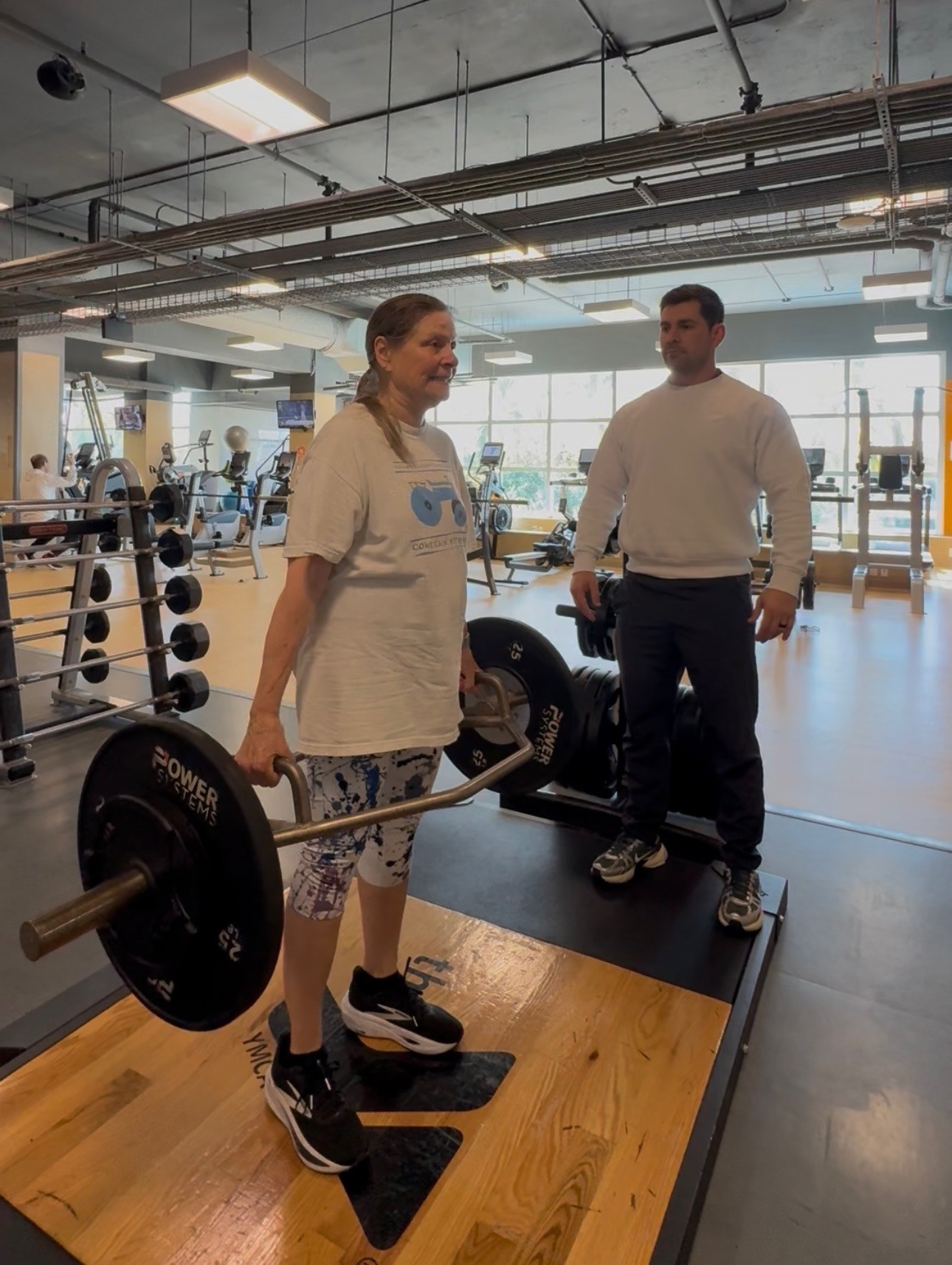
This is another great example of how we should empower our seniors. It took place during a physical assessment. To explain the process, whenever I see a client for the first time, I have them complete a health questionnaire, followed by physical assessments such as cardiovascular fitness and strength.
In her questionnaire, Judian shared that she suffers from panic attacks. In my mind, I immediately thought, A structured training program will be incredibly beneficial for her.
We began going through some exercises, and then I said,
“Hey Judian, let’s do a deadlift so I can check your posture and assess your posterior chain strength.”
The moment she looked at the barbell, I could see fear in her eyes.
I looked at her and used an analogy:
“Right now, you feel like you’re in the middle of the jungle. This barbell is the lion, ready to eat you alive, and you are the small animal, frozen in fear. But this is all happening in your mind. And do you know how you can change that?”
She asked, “How?”
I replied, “By changing the way you think. Approach this barbell with conviction, knowing that you can do it. Don’t be afraid of the weight. Don’t be afraid of getting hurt. This barbell is here to make you stronger. And in a few months, you will be the lion in this jungle.”
At that moment, I could already see a small shift in her.
Every day I saw Judian after that, the change became more visible little by little, more confidence, more strength, more control.
A few weeks later, when I walked into the gym to train her, I looked at her and said,
“Now I see a lion in you. You’re the one in charge now, not the fear anymore.” She looked at me, smiled, and agreed.
Ladies and gentlemen, never forget our mission: Empower. Educate. Elevate. Because it is never too late to be mentally strong and physically capable of doing whatever you choose to do.
Conclusion
I wrote this article with the goal of helping and guiding older adults to live a life full of achievements, with a clear understanding that you may have retired from your job, but not from your body. There’s a quote from a very wise man: “If you give a man a fish, he’ll be hungry again in an hour. If you teach him to catch a fish, you do him a good turn.” My goal is to teach you how to be independent—not dependent on an instructor or personal trainer. I don’t personally know what it feels like to be an older adult. I’m only 32, but I have learned from studying and working with over 200 senior clients that it’s never too late to set new goals, explore places you’ve never been, or look in the mirror and feel proud of yourself. My mission is to empower you to see training from a new perspective, one filled with joy, motivation, and discipline. Remember, being “old” is not about your age. You can be 95 years old and feel young, or 61 and feel old. To conclude, I want to say a deepest thank you to my mother, Ilma Soupinski, who relentlessly raised seven children and also adopted me and three other kids. She is my inspiration and the reason I love working with people in later adulthood.
And remember: never let the old man in!
References
American College of Sports Medicine. (2009). Progression models in resistance training for healthy adults. Medicine & Science in Sports & Exercise, 41(3), 687–708. https://doi.org/10.1249/MSS.0b013e3181915670
Peterson, M. D., Rhea, M. R., Sen, A., & Gordon, P. M. (2010). Resistance exercise for muscular strength in older adults: A meta-analysis. Ageing Research Reviews, 9(3), 226–237. https://doi.org/10.1016/j.arr.2010.03.004
Schoenfeld, B. J. (2010). The mechanisms of muscle hypertrophy and their application to resistance training. Journal of Strength and Conditioning Research, 24(10), 2857–2872. https://doi.org/10.1519/JSC.0b013e3181e840f3
Schoenfeld, B. J., Grgic, J., Ogborn, D., & Krieger, J. W. (2017). Strength and hypertrophy adaptations between low- vs. high-load resistance training: A systematic review and meta-analysis. Journal of Strength and Conditioning Research, 31(12), 3508–3523. https://doi.org/10.1519/JSC.0000000000002200
Fragala, M. S., Cadore, E. L., Dorgo, S., Izquierdo, M., Kraemer, W. J., Peterson, M. D., & Ryan, E. D. (2019). Resistance training for older adults: Position statement from the National Strength and Conditioning Association. Journal of Strength and Conditioning Research, 33(8), 2019–2052. https://doi.org/10.1519/JSC.0000000000003230
Kraemer, W. J., & Ratamess, N. A. (2004). Fundamentals of resistance training:
Progression and exercise prescription. Medicine & Science in Sports & Exercise,
36(4), 674–688. https://doi.org/10.1249/01.MSS.0000121945.36635.61
Bajaj, S. (2026, January 15). The best sports for longevity. The New York Times. https://www.nytimes.com/2026/01/15/well/move/sports-exercise-longevity.html Oliveira, L. S., Gonçalves de Oliveira, R., Quintino da Silva, T., Gonzaga, S., & Campos de Oliveira, L. (2024). Effects of Pilates exercises on strength, endurance, and muscle power in older adults: Systematic review and meta‑analysis. Journal of Bodywork and Movement Therapies, 39, 615–634. https://doi.org/10.1016/j.jbmt.2024.02.021
Tøien, T., Berg, O. K., Modena, R., Forsberg Brobakken, M., & Wang, E. (2025). Heavy strength training in older adults: Implications for health, disease, and physical performance. Journal of Cachexia, Sarcopenia and Muscle, 16, e13804.
https://doi.org/10.1002/jcsm.13804
Tøien, T., Berg, O. K., Modena, R., Forsberg Brobakken, M., & Wang, E. (2025).
Supplementary materials from “Heavy strength training in older adults: Implications for health, disease, and physical performance” [Data set]. Figshare.
Hola
Let's work together
Ready to transform your fitness and achieve your goals? Whether you're looking to lose weight, build strength, or improve your overall health in Naples, I'm here to help you every step of the way.
Articles
Hola
Let's work together
Ready to transform your fitness and achieve your goals? Whether you're looking to lose weight, build strength, or improve your overall health in Naples, I'm here to help you every step of the way.
Strong and Functional: Redefining Fitness for People in Later Adulthood
By Luiz Soupinski
Introduction
For the past decade, I have dedicated myself to studying and working within the health care system as an exercise specialist. Over time, I came to a clear conclusion: my true passion lies in working with the people in later adulthood. This may stem from having been raised by my grandparents, but it is also driven by my strong disagreement with nearly 90% of the methods commonly marketed as “senior training.”
Another key influence is how society tends to treat seniors, often “babying” them in ways that unintentionally diminish their independence and physical potential. Rather than empowering seniors, many current practices push them downhill under the guise of safety. In this article, you will learn not just a single approach to senior fitness, but what science actually tells us about effective training for people in later adulthood. We will examine resistance and strength training, Pilates, and cardiovascular modalities such as Zumba, line dancing, and water aerobics. You will also learn how many businesses promote methods based on personal beliefs or financial interests, frequently without scientific evidence to support their claims. To illustrate fitness “trends,” I often use a simple analogy. Imagine being lost in the desert for three days without food. When you finally find a banana, you feel immediate relief. Your energy, balance, and mental clarity improve. The banana helped because it is nutritious and you were deprived. But under normal conditions, would you rely on bananas alone for your diet? Of course not. Because bananas do not provide all essential macronutrients. The same principle applies to exercise. Pilates, yoga, Zumba, line dancing, swimming, and walking are beneficial and necessary, but they are not enough on their own. Just as a balanced diet is essential for health, a comprehensive, evidence-based training approach is critical for maintaining strength, function, and independence as we age.
Mission
Being raised by my grandparents gave me a better understanding about life in general, but one thing stuck out to me was seeing my grandma aging in not a very good physical condition. What makes me the most angry is knowing that the majority of her physical problems could be prevented by a proper exercise regime that contains cardiovascular, strength, flexibility, mobility, and decision making. Today my grandmother is 85 years old, and she can barely move her body due to hip and spine injuries. Her quality of life is very low. That is not how we are supposed to age, that’s not how we are supposed to live after we retire from our jobs. By the way, I hate the word old, because I truly believe that being old has nothing to do with your age. It has to do with your ability to produce force, think and move properly without any help. In other words, being physically and cognitively independent. Remember, we are athletes competing in the sport of life.
The Biggest Myth in Senior Fitness
The fitness industry is filled with misconceptions about how seniors should train. Unfortunately, much of the advice given to seniors today is not supported by science. Instead of empowering older adults, it often reinforces the idea that aging means fragility, and that strength should be avoided and effort reduced simply because someone is “old.” This narrative does more harm than good. Older adults are not weak by default. They become weak when they are under-trained.
Many well-intentioned fitness professionals promote the idea that senior training should consist only of light walking, stretching, very light resistance exercises, water aerobics, yoga, Pilates, line dancing, Zumba, or swimming. Let’s be clear, all of these activities are very good for seniors and absolutely have their value. The only activity that has no value is lifting very light weights. Let’s leave that for the little kids!
Seniors are often warned against lifting heavier weights because they are perceived as fragile, retired, or incapable of handling higher training demands. This belief does not come from science — it comes from a culture that consistently lowers expectations for older adults. In a recent study it was found that “Heavy‐very heavy strength training is documented to be an excellent and safe strength training format to maximally mitigate the loss of force in healthy older adults and numerous patient populations. These principles of strength training can easily be applied to different target muscles based on an individual's or a patient's specific limitations and needs”.
I often hear people say, “Seniors should do whatever they please when it comes to exercise,” followed by, “I believe this or that is best for seniors.” In response, I use a quote that makes my position very simple and very clear. “Everyone is entitled to their own beliefs, but scientific facts are not subject to opinion”.
The Truth
Now let’s navigate through some forms of exercise and their benefits. A light walk for a senior improves mitochondrial health, increases endurance, supports fat metabolism, and makes daily activities feel easier. Water aerobics is a phenomenal low-impact option that can improve cardiovascular health and endurance. Yoga enhances mobility, flexibility, balance, and stress reduction. Pilates improves core control, posture, and deep stabilizing muscle function, including the transverse abdominis, pelvic floor, and multifidus. Zumba and line dancing are fun, social forms of exercise that improve coordination, balance, cardiovascular health, and also boost cognitive function.
These benefits are real and very important for any person. The issue is not including these activities. The issue is treating them as sufficient. Scientific evidence does not support the idea that yoga, water aerobics, or Pilates alone can meaningfully improve strength, muscle mass, or power in older adults. In fact, recent research has concluded: “Currently, it is not feasible to recommend Pilates exercises as a means to improve strength, endurance, and muscle power in older adults.” Pilates can complement strength training, but it cannot replace it.
Newer fitness trends, such as barre-style Pilates, often claim to “build lean muscle” through high repetitions, isometric holds, and light resistance. These claims are misleading. First, there is no scientific evidence supporting them. Most of the information promoting these claims comes from business websites trying to market their services, rather than from peer-reviewed research. When looking for information, don’t rely solely on Google searches. Focus on peer-reviewed
research and credible scientific sources. Second because Muscle strength and hypertrophy require mechanical overload. Without progressive overload gradually increasing resistance over time the body has no reason to build strength or muscle. This principle applies to everyone, and is especially important for seniors.
All the activities mentioned above fall into a category best described as supplemental exercise. They support health, movement quality, and cardiovascular function, but they are not the foundation. The foundation of senior fitness is strength and resistance training. Because this form of exercise is the only one that reliably increases strength, essential for maintaining and building muscle mass, critical for preserving bone density, and a major factor in fall prevention and independence. It improves balance, mobility, and the ability to perform daily tasks, while significantly reducing the risk of: Falls and fractures, Osteoporosis, Heart disease, Type 2 diabetes and Depression. It also supports cognitive function and improves sleep quality. Age-related muscle loss (sarcopenia) and bone loss are not inevitable; they are largely modifiable. The most effective intervention we have is progressive resistance training. People in later adulthood do not need to be protected from heavy loads. They need to be reintroduced to it safely, progressively, and confidently.
The New York Times recently published an article filled with valuable insights on fitness and long-term health. Titled “The Best Sports for Longevity,” the piece draws on numerous scientific studies to support its conclusions. Below, I’m sharing some of the key points highlighted in the article". In a study of nearly 300,000 older adults in the United States, for example, cycling was linked to 3 percent lower risk of dying over a 12-year period, swimming was linked to a 5 percent lower risk and golf was linked to a 7 percent lower risk, compared with those who did other activities, said Dr. Moore, who led the research”. And guess which activity delivered the greatest benefit? Resistance training. One large analysis found that just one hour per week lowers a person’s risk of death by 25 percent.
The Limitations of Group Strength Classes for Seniors
Although group fitness classes can be motivating, they are generally not the most effective option for building strength in older adults. Most classes: Move at a fast pace and emphasize endurance rather than strength. Do not allow instructors to closely monitor individual technique. Use generic programming that ignores personal needs and limitations. Rely on light weights, making meaningful progression difficult. Additionally, many effective strength exercises such as leg presses, squats, deadlift variations, and chest presses require equipment and coaching that group classes often lack.
For those who enjoy social interaction, recreational sports are an excellent way to stay active. They improve cardiovascular health, coordination, and overall enjoyment of movement. Strength training, however, serves a different purpose. It requires focus, control, and guidance, especially for older adults. This is where muscle mass, bone density, and functional strength are built qualities that directly support independence and long-term health.
Science-Based Strength Training for People in The Later Adulthood
The question is: how should a senior perform strength training? First, it’s important to understand that intensity is individual, everyone is different, and programs must be tailored accordingly. Seniors should follow six key principles: progressive overload, periodization, recovery and rest, specificity, individual differences, and one of the most important, consistency.
Exercise selection should emphasize compound, multi-joint movements such as the leg press, squat, and deadlift, as these exercises stimulate greater neuromuscular adaptation and functional strength. Not every individual will be able to perform all of these exercises; selection must match each person’s capacity and condition.
At the same time, safety must be prioritized. Seniors often require supervision and proper spotting, especially when working with heavier loads or learning new movements. Strength training should never begin at maximal loads. A foundational phase often called an adaptation or preparation phase is essential. This phase develops technical proficiency, muscular endurance, and movement quality, reducing injury risk, building confidence, and preparing the body for subsequent increases in intensity.
Heavy strength training, even near an individual’s one-repetition maximum (1RM), may initially seem counterintuitive or unsafe for frail or diseased individuals. However, research over the past three decades including a substantial number of recent studies demonstrates that heavy resistance training is both safe and highly effective for improving strength and functional performance in these populations. It is important to remember that training loads are relative to each person’s maximal strength. For frail or diseased individuals, 90% of 1RM might initially correspond to a leg press or squat load close to, or even less than, their bodyweight.
A typical session begins with a specific warm-up using the exercise to be performed. The individual starts with 8–10 repetitions at a light weight. Based on the ease of this set, a moderate load is chosen for a second warm-up set of 6–8 repetitions. The main training then proceeds with four working sets at 4RM. Rest periods between sets are usually 3–4 minutes. Most studies use 2–3 sessions per week, with higher frequency often producing greater strength gains.
Lower body training is especially important, as strength loss with age affects the lower extremities more than the upper extremities. Lower body strength is crucial for mobility and everyday activities, making exercises like the horizontal leg press ideal. The leg press is often preferred over free-weight squats because it allows heavier loads without technique limiting performance.
Exercise prescription should also consider the specific challenges of a given disease or individual. For example, in patients with osteoporosis or osteopenia characterized by low bone mineral density and impaired bone quality in the spine and hip axial loading through the spine is essential to stimulate bone density. In these cases, exercises like the hack squat or horizontal leg press with a reclined back position are recommended, as they provide spinal loading while reducing technical limitations and allowing the use of heavy resistance safely.
In a recent study it was concluded that “Despite numerous studies documenting the effectiveness of heavy‐very heavy strength training to mitigate the age‐ and disease‐related decline in muscle strength, the application in clinical practice seems to be underutilized. Notably, heavy‐very heavy strength training has the potential to reverse several decades of age‐related decline in 1RM, RFD and power in both healthy and diseased older adults. The current review highlights the positive effects of heavy‐very heavy strength training for healthy and diseased older adults and the feasibility, safety, and clinical implications of such exercise. Specifically, strength training with heavy‐very heavy loads should be recommended for all older adults and implemented in patient care, especially of the lower extremities as the strength loss is more pronounced in the locomotor muscles with age. This review also gives practical instructions on how to conduct a session of strength training, using very heavy loads, few repetitions and maximal intended velocity in the concentric phase”. We now see that heavy strength training is not just recommended, but is the most effective form of exercise for improving quality of life in older adults. If you, as a fitness professional, choose to believe that this is unsafe, remember my quote: “Everyone is entitled to their own beliefs, but scientific facts are not subject to opinion.” Science is indifferent to your opinions and preferences. The fitness industry, however, often prioritizes selling, seeking approval, chasing numbers, and creating what people like rather than what actually works. My mission is to teach you what actually works, so you don’t waste your time or compromise your health.
Seeing Potential Where Others See Limit
It was a normal day at the gym. I was walking around, saying hello to our members, when I noticed a man using the leg press. As a side note, I had never spoken to him before.
As I got closer, he looked at me and gave me one of those smiles—the kind that instantly brings joy, peace, and love. Before he even said a word, I already felt love for this man.
I greeted him and said, “Hey man, I love what you’re doing.”
He smiled even bigger and replied, “Thank you so much, my name is…”
We chatted for a bit, and then I said, “Hey, you can push 70 lbs on the leg press.”
He looked at me and said, “Really? Do you believe I can do it?”
I replied, “Go ahead and try it. Let’s see what you can do.”
At that moment, he had only been pressing 5 lbs.
He went for it—and completed 10 reps with 70 lbs.
After that, I said, “Mr. Walter, next time you’ll do 100 lbs.”
He laughed and said, “No, Luiz, you’re crazy. I can never do that. I’ve never lifted that much.”
But I had seen how easily he handled 70 lbs. He wasn’t struggling at all. So I encouraged him, explained that it was safe, and that he was capable. He believed in me and himself.
There he was, pressing 100 lbs for 10 reps.
When he finished, he looked at me with that same incredible smile and said, “Yes, I can do it!”
Seeing how strong he still looked, I knew he wasn’t anywhere near his full potential. So I said, “Hey Mr. Walter, let’s try 150 lbs. YOU CAN DO IT!”
He burst out laughing. “Luiz, you want to kill me! I can never lift that much weight.”
Once again, I explained the importance of training hard with responsibility and safety, of course. He trusted me. He trusted himself.
And he did another 10 reps at 150 lbs.
When he finished, he looked at me, smiling brighter than ever, and said, “Luiz, nobody has ever pushed me like this in my entire life. This helped me so much. Yes, I can do this!”
This story is a testimony to our purpose: our job is to lift our seniors up, not push them down.
We have a mission to educate, equip, motivate, and encourage them to achieve new goals.
We must see them not as people who are retired and ready to fade away, but as individuals full of potential capable of doing so much more in life. As a side note, Mr. Walter is 92 years old. But here’s the thing. I don’t look at his age, I see Potential Where Others See Limits.
Another beautiful moment happened with Judian.
This is another great example of how we should empower our seniors. It took place during a physical assessment. To explain the process, whenever I see a client for the first time, I have them complete a health questionnaire, followed by physical assessments such as cardiovascular fitness and strength.
In her questionnaire, Judian shared that she suffers from panic attacks. In my mind, I immediately thought, A structured training program will be incredibly beneficial for her.
We began going through some exercises, and then I said,
“Hey Judian, let’s do a deadlift so I can check your posture and assess your posterior chain strength.”
The moment she looked at the barbell, I could see fear in her eyes.
I looked at her and used an analogy:
“Right now, you feel like you’re in the middle of the jungle. This barbell is the lion, ready to eat you alive, and you are the small animal, frozen in fear. But this is all happening in your mind. And do you know how you can change that?”
She asked, “How?”
I replied, “By changing the way you think. Approach this barbell with conviction, knowing that you can do it. Don’t be afraid of the weight. Don’t be afraid of getting hurt. This barbell is here to make you stronger. And in a few months, you will be the lion in this jungle.”
At that moment, I could already see a small shift in her.
Every day I saw Judian after that, the change became more visible little by little, more confidence, more strength, more control.
A few weeks later, when I walked into the gym to train her, I looked at her and said,
“Now I see a lion in you. You’re the one in charge now, not the fear anymore.” She looked at me, smiled, and agreed.
Ladies and gentlemen, never forget our mission: Empower. Educate. Elevate. Because it is never too late to be mentally strong and physically capable of doing whatever you choose to do.
Conclusion
I wrote this article with the goal of helping and guiding older adults to live a life full of achievements, with a clear understanding that you may have retired from your job, but not from your body. There’s a quote from a very wise man: “If you give a man a fish, he’ll be hungry again in an hour. If you teach him to catch a fish, you do him a good turn.” My goal is to teach you how to be independent—not dependent on an instructor or personal trainer. I don’t personally know what it feels like to be an older adult. I’m only 32, but I have learned from studying and working with over 200 senior clients that it’s never too late to set new goals, explore places you’ve never been, or look in the mirror and feel proud of yourself. My mission is to empower you to see training from a new perspective, one filled with joy, motivation, and discipline. Remember, being “old” is not about your age. You can be 95 years old and feel young, or 61 and feel old. To conclude, I want to say a deepest thank you to my mother, Ilma Soupinski, who relentlessly raised seven children and also adopted me and three other kids. She is my inspiration and the reason I love working with people in later adulthood.
And remember: never let the old man in!
References
American College of Sports Medicine. (2009). Progression models in resistance training for healthy adults. Medicine & Science in Sports & Exercise, 41(3), 687–708. https://doi.org/10.1249/MSS.0b013e3181915670
Peterson, M. D., Rhea, M. R., Sen, A., & Gordon, P. M. (2010). Resistance exercise for muscular strength in older adults: A meta-analysis. Ageing Research Reviews, 9(3), 226–237. https://doi.org/10.1016/j.arr.2010.03.004
Schoenfeld, B. J. (2010). The mechanisms of muscle hypertrophy and their application to resistance training. Journal of Strength and Conditioning Research, 24(10), 2857–2872. https://doi.org/10.1519/JSC.0b013e3181e840f3
Schoenfeld, B. J., Grgic, J., Ogborn, D., & Krieger, J. W. (2017). Strength and hypertrophy adaptations between low- vs. high-load resistance training: A systematic review and meta-analysis. Journal of Strength and Conditioning Research, 31(12), 3508–3523. https://doi.org/10.1519/JSC.0000000000002200
Fragala, M. S., Cadore, E. L., Dorgo, S., Izquierdo, M., Kraemer, W. J., Peterson, M. D., & Ryan, E. D. (2019). Resistance training for older adults: Position statement from the National Strength and Conditioning Association. Journal of Strength and Conditioning Research, 33(8), 2019–2052. https://doi.org/10.1519/JSC.0000000000003230
Kraemer, W. J., & Ratamess, N. A. (2004). Fundamentals of resistance training:
Progression and exercise prescription. Medicine & Science in Sports & Exercise,
36(4), 674–688. https://doi.org/10.1249/01.MSS.0000121945.36635.61
Bajaj, S. (2026, January 15). The best sports for longevity. The New York Times. https://www.nytimes.com/2026/01/15/well/move/sports-exercise-longevity.html Oliveira, L. S., Gonçalves de Oliveira, R., Quintino da Silva, T., Gonzaga, S., & Campos de Oliveira, L. (2024). Effects of Pilates exercises on strength, endurance, and muscle power in older adults: Systematic review and meta‑analysis. Journal of Bodywork and Movement Therapies, 39, 615–634. https://doi.org/10.1016/j.jbmt.2024.02.021
Tøien, T., Berg, O. K., Modena, R., Forsberg Brobakken, M., & Wang, E. (2025). Heavy strength training in older adults: Implications for health, disease, and physical performance. Journal of Cachexia, Sarcopenia and Muscle, 16, e13804.
https://doi.org/10.1002/jcsm.13804
Tøien, T., Berg, O. K., Modena, R., Forsberg Brobakken, M., & Wang, E. (2025).
Supplementary materials from “Heavy strength training in older adults: Implications for health, disease, and physical performance” [Data set]. Figshare.
Hola
Let's work together
Ready to transform your fitness and achieve your goals? Whether you're looking to lose weight, build strength, or improve your overall health in Naples, I'm here to help you every step of the way.
Articles
Hola
Let's work together
Ready to transform your fitness and achieve your goals? Whether you're looking to lose weight, build strength, or improve your overall health in Naples, I'm here to help you every step of the way.
Strong and Functional: Redefining Fitness for People in Later Adulthood
By Luiz Soupinski
Introduction
For the past decade, I have dedicated myself to studying and working within the health care system as an exercise specialist. Over time, I came to a clear conclusion: my true passion lies in working with the people in later adulthood. This may stem from having been raised by my grandparents, but it is also driven by my strong disagreement with nearly 90% of the methods commonly marketed as “senior training.”
Another key influence is how society tends to treat seniors, often “babying” them in ways that unintentionally diminish their independence and physical potential. Rather than empowering seniors, many current practices push them downhill under the guise of safety. In this article, you will learn not just a single approach to senior fitness, but what science actually tells us about effective training for people in later adulthood. We will examine resistance and strength training, Pilates, and cardiovascular modalities such as Zumba, line dancing, and water aerobics. You will also learn how many businesses promote methods based on personal beliefs or financial interests, frequently without scientific evidence to support their claims. To illustrate fitness “trends,” I often use a simple analogy. Imagine being lost in the desert for three days without food. When you finally find a banana, you feel immediate relief. Your energy, balance, and mental clarity improve. The banana helped because it is nutritious and you were deprived. But under normal conditions, would you rely on bananas alone for your diet? Of course not. Because bananas do not provide all essential macronutrients. The same principle applies to exercise. Pilates, yoga, Zumba, line dancing, swimming, and walking are beneficial and necessary, but they are not enough on their own. Just as a balanced diet is essential for health, a comprehensive, evidence-based training approach is critical for maintaining strength, function, and independence as we age.
Mission
Being raised by my grandparents gave me a better understanding about life in general, but one thing stuck out to me was seeing my grandma aging in not a very good physical condition. What makes me the most angry is knowing that the majority of her physical problems could be prevented by a proper exercise regime that contains cardiovascular, strength, flexibility, mobility, and decision making. Today my grandmother is 85 years old, and she can barely move her body due to hip and spine injuries. Her quality of life is very low. That is not how we are supposed to age, that’s not how we are supposed to live after we retire from our jobs. By the way, I hate the word old, because I truly believe that being old has nothing to do with your age. It has to do with your ability to produce force, think and move properly without any help. In other words, being physically and cognitively independent. Remember, we are athletes competing in the sport of life.
The Biggest Myth in Senior Fitness
The fitness industry is filled with misconceptions about how seniors should train. Unfortunately, much of the advice given to seniors today is not supported by science. Instead of empowering older adults, it often reinforces the idea that aging means fragility, and that strength should be avoided and effort reduced simply because someone is “old.” This narrative does more harm than good. Older adults are not weak by default. They become weak when they are under-trained.
Many well-intentioned fitness professionals promote the idea that senior training should consist only of light walking, stretching, very light resistance exercises, water aerobics, yoga, Pilates, line dancing, Zumba, or swimming. Let’s be clear, all of these activities are very good for seniors and absolutely have their value. The only activity that has no value is lifting very light weights. Let’s leave that for the little kids!
Seniors are often warned against lifting heavier weights because they are perceived as fragile, retired, or incapable of handling higher training demands. This belief does not come from science — it comes from a culture that consistently lowers expectations for older adults. In a recent study it was found that “Heavy‐very heavy strength training is documented to be an excellent and safe strength training format to maximally mitigate the loss of force in healthy older adults and numerous patient populations. These principles of strength training can easily be applied to different target muscles based on an individual's or a patient's specific limitations and needs”.
I often hear people say, “Seniors should do whatever they please when it comes to exercise,” followed by, “I believe this or that is best for seniors.” In response, I use a quote that makes my position very simple and very clear. “Everyone is entitled to their own beliefs, but scientific facts are not subject to opinion”.
The Truth
Now let’s navigate through some forms of exercise and their benefits. A light walk for a senior improves mitochondrial health, increases endurance, supports fat metabolism, and makes daily activities feel easier. Water aerobics is a phenomenal low-impact option that can improve cardiovascular health and endurance. Yoga enhances mobility, flexibility, balance, and stress reduction. Pilates improves core control, posture, and deep stabilizing muscle function, including the transverse abdominis, pelvic floor, and multifidus. Zumba and line dancing are fun, social forms of exercise that improve coordination, balance, cardiovascular health, and also boost cognitive function.
These benefits are real and very important for any person. The issue is not including these activities. The issue is treating them as sufficient. Scientific evidence does not support the idea that yoga, water aerobics, or Pilates alone can meaningfully improve strength, muscle mass, or power in older adults. In fact, recent research has concluded: “Currently, it is not feasible to recommend Pilates exercises as a means to improve strength, endurance, and muscle power in older adults.” Pilates can complement strength training, but it cannot replace it.
Newer fitness trends, such as barre-style Pilates, often claim to “build lean muscle” through high repetitions, isometric holds, and light resistance. These claims are misleading. First, there is no scientific evidence supporting them. Most of the information promoting these claims comes from business websites trying to market their services, rather than from peer-reviewed research. When looking for information, don’t rely solely on Google searches. Focus on peer-reviewed
research and credible scientific sources. Second because Muscle strength and hypertrophy require mechanical overload. Without progressive overload gradually increasing resistance over time the body has no reason to build strength or muscle. This principle applies to everyone, and is especially important for seniors.
All the activities mentioned above fall into a category best described as supplemental exercise. They support health, movement quality, and cardiovascular function, but they are not the foundation. The foundation of senior fitness is strength and resistance training. Because this form of exercise is the only one that reliably increases strength, essential for maintaining and building muscle mass, critical for preserving bone density, and a major factor in fall prevention and independence. It improves balance, mobility, and the ability to perform daily tasks, while significantly reducing the risk of: Falls and fractures, Osteoporosis, Heart disease, Type 2 diabetes and Depression. It also supports cognitive function and improves sleep quality. Age-related muscle loss (sarcopenia) and bone loss are not inevitable; they are largely modifiable. The most effective intervention we have is progressive resistance training. People in later adulthood do not need to be protected from heavy loads. They need to be reintroduced to it safely, progressively, and confidently.
The New York Times recently published an article filled with valuable insights on fitness and long-term health. Titled “The Best Sports for Longevity,” the piece draws on numerous scientific studies to support its conclusions. Below, I’m sharing some of the key points highlighted in the article". In a study of nearly 300,000 older adults in the United States, for example, cycling was linked to 3 percent lower risk of dying over a 12-year period, swimming was linked to a 5 percent lower risk and golf was linked to a 7 percent lower risk, compared with those who did other activities, said Dr. Moore, who led the research”. And guess which activity delivered the greatest benefit? Resistance training. One large analysis found that just one hour per week lowers a person’s risk of death by 25 percent.
The Limitations of Group Strength Classes for Seniors
Although group fitness classes can be motivating, they are generally not the most effective option for building strength in older adults. Most classes: Move at a fast pace and emphasize endurance rather than strength. Do not allow instructors to closely monitor individual technique. Use generic programming that ignores personal needs and limitations. Rely on light weights, making meaningful progression difficult. Additionally, many effective strength exercises such as leg presses, squats, deadlift variations, and chest presses require equipment and coaching that group classes often lack.
For those who enjoy social interaction, recreational sports are an excellent way to stay active. They improve cardiovascular health, coordination, and overall enjoyment of movement. Strength training, however, serves a different purpose. It requires focus, control, and guidance, especially for older adults. This is where muscle mass, bone density, and functional strength are built qualities that directly support independence and long-term health.
Science-Based Strength Training for People in The Later Adulthood
The question is: how should a senior perform strength training? First, it’s important to understand that intensity is individual, everyone is different, and programs must be tailored accordingly. Seniors should follow six key principles: progressive overload, periodization, recovery and rest, specificity, individual differences, and one of the most important, consistency.
Exercise selection should emphasize compound, multi-joint movements such as the leg press, squat, and deadlift, as these exercises stimulate greater neuromuscular adaptation and functional strength. Not every individual will be able to perform all of these exercises; selection must match each person’s capacity and condition.
At the same time, safety must be prioritized. Seniors often require supervision and proper spotting, especially when working with heavier loads or learning new movements. Strength training should never begin at maximal loads. A foundational phase often called an adaptation or preparation phase is essential. This phase develops technical proficiency, muscular endurance, and movement quality, reducing injury risk, building confidence, and preparing the body for subsequent increases in intensity.
Heavy strength training, even near an individual’s one-repetition maximum (1RM), may initially seem counterintuitive or unsafe for frail or diseased individuals. However, research over the past three decades including a substantial number of recent studies demonstrates that heavy resistance training is both safe and highly effective for improving strength and functional performance in these populations. It is important to remember that training loads are relative to each person’s maximal strength. For frail or diseased individuals, 90% of 1RM might initially correspond to a leg press or squat load close to, or even less than, their bodyweight.
A typical session begins with a specific warm-up using the exercise to be performed. The individual starts with 8–10 repetitions at a light weight. Based on the ease of this set, a moderate load is chosen for a second warm-up set of 6–8 repetitions. The main training then proceeds with four working sets at 4RM. Rest periods between sets are usually 3–4 minutes. Most studies use 2–3 sessions per week, with higher frequency often producing greater strength gains.
Lower body training is especially important, as strength loss with age affects the lower extremities more than the upper extremities. Lower body strength is crucial for mobility and everyday activities, making exercises like the horizontal leg press ideal. The leg press is often preferred over free-weight squats because it allows heavier loads without technique limiting performance.
Exercise prescription should also consider the specific challenges of a given disease or individual. For example, in patients with osteoporosis or osteopenia characterized by low bone mineral density and impaired bone quality in the spine and hip axial loading through the spine is essential to stimulate bone density. In these cases, exercises like the hack squat or horizontal leg press with a reclined back position are recommended, as they provide spinal loading while reducing technical limitations and allowing the use of heavy resistance safely.
In a recent study it was concluded that “Despite numerous studies documenting the effectiveness of heavy‐very heavy strength training to mitigate the age‐ and disease‐related decline in muscle strength, the application in clinical practice seems to be underutilized. Notably, heavy‐very heavy strength training has the potential to reverse several decades of age‐related decline in 1RM, RFD and power in both healthy and diseased older adults. The current review highlights the positive effects of heavy‐very heavy strength training for healthy and diseased older adults and the feasibility, safety, and clinical implications of such exercise. Specifically, strength training with heavy‐very heavy loads should be recommended for all older adults and implemented in patient care, especially of the lower extremities as the strength loss is more pronounced in the locomotor muscles with age. This review also gives practical instructions on how to conduct a session of strength training, using very heavy loads, few repetitions and maximal intended velocity in the concentric phase”. We now see that heavy strength training is not just recommended, but is the most effective form of exercise for improving quality of life in older adults. If you, as a fitness professional, choose to believe that this is unsafe, remember my quote: “Everyone is entitled to their own beliefs, but scientific facts are not subject to opinion.” Science is indifferent to your opinions and preferences. The fitness industry, however, often prioritizes selling, seeking approval, chasing numbers, and creating what people like rather than what actually works. My mission is to teach you what actually works, so you don’t waste your time or compromise your health.
Seeing Potential Where Others See Limit
It was a normal day at the gym. I was walking around, saying hello to our members, when I noticed a man using the leg press. As a side note, I had never spoken to him before.
As I got closer, he looked at me and gave me one of those smiles—the kind that instantly brings joy, peace, and love. Before he even said a word, I already felt love for this man.
I greeted him and said, “Hey man, I love what you’re doing.”
He smiled even bigger and replied, “Thank you so much, my name is…”
We chatted for a bit, and then I said, “Hey, you can push 70 lbs on the leg press.”
He looked at me and said, “Really? Do you believe I can do it?”
I replied, “Go ahead and try it. Let’s see what you can do.”
At that moment, he had only been pressing 5 lbs.
He went for it—and completed 10 reps with 70 lbs.
After that, I said, “Mr. Walter, next time you’ll do 100 lbs.”
He laughed and said, “No, Luiz, you’re crazy. I can never do that. I’ve never lifted that much.”
But I had seen how easily he handled 70 lbs. He wasn’t struggling at all. So I encouraged him, explained that it was safe, and that he was capable. He believed in me and himself.
There he was, pressing 100 lbs for 10 reps.
When he finished, he looked at me with that same incredible smile and said, “Yes, I can do it!”
Seeing how strong he still looked, I knew he wasn’t anywhere near his full potential. So I said, “Hey Mr. Walter, let’s try 150 lbs. YOU CAN DO IT!”
He burst out laughing. “Luiz, you want to kill me! I can never lift that much weight.”
Once again, I explained the importance of training hard with responsibility and safety, of course. He trusted me. He trusted himself.
And he did another 10 reps at 150 lbs.
When he finished, he looked at me, smiling brighter than ever, and said, “Luiz, nobody has ever pushed me like this in my entire life. This helped me so much. Yes, I can do this!”
This story is a testimony to our purpose: our job is to lift our seniors up, not push them down.
We have a mission to educate, equip, motivate, and encourage them to achieve new goals.
We must see them not as people who are retired and ready to fade away, but as individuals full of potential capable of doing so much more in life. As a side note, Mr. Walter is 92 years old. But here’s the thing. I don’t look at his age, I see Potential Where Others See Limits.
Another beautiful moment happened with Judian.
This is another great example of how we should empower our seniors. It took place during a physical assessment. To explain the process, whenever I see a client for the first time, I have them complete a health questionnaire, followed by physical assessments such as cardiovascular fitness and strength.
In her questionnaire, Judian shared that she suffers from panic attacks. In my mind, I immediately thought, A structured training program will be incredibly beneficial for her.
We began going through some exercises, and then I said,
“Hey Judian, let’s do a deadlift so I can check your posture and assess your posterior chain strength.”
The moment she looked at the barbell, I could see fear in her eyes.
I looked at her and used an analogy:
“Right now, you feel like you’re in the middle of the jungle. This barbell is the lion, ready to eat you alive, and you are the small animal, frozen in fear. But this is all happening in your mind. And do you know how you can change that?”
She asked, “How?”
I replied, “By changing the way you think. Approach this barbell with conviction, knowing that you can do it. Don’t be afraid of the weight. Don’t be afraid of getting hurt. This barbell is here to make you stronger. And in a few months, you will be the lion in this jungle.”
At that moment, I could already see a small shift in her.
Every day I saw Judian after that, the change became more visible little by little, more confidence, more strength, more control.
A few weeks later, when I walked into the gym to train her, I looked at her and said,
“Now I see a lion in you. You’re the one in charge now, not the fear anymore.” She looked at me, smiled, and agreed.
Ladies and gentlemen, never forget our mission: Empower. Educate. Elevate. Because it is never too late to be mentally strong and physically capable of doing whatever you choose to do.
Conclusion
I wrote this article with the goal of helping and guiding older adults to live a life full of achievements, with a clear understanding that you may have retired from your job, but not from your body. There’s a quote from a very wise man: “If you give a man a fish, he’ll be hungry again in an hour. If you teach him to catch a fish, you do him a good turn.” My goal is to teach you how to be independent—not dependent on an instructor or personal trainer. I don’t personally know what it feels like to be an older adult. I’m only 32, but I have learned from studying and working with over 200 senior clients that it’s never too late to set new goals, explore places you’ve never been, or look in the mirror and feel proud of yourself. My mission is to empower you to see training from a new perspective, one filled with joy, motivation, and discipline. Remember, being “old” is not about your age. You can be 95 years old and feel young, or 61 and feel old. To conclude, I want to say a deepest thank you to my mother, Ilma Soupinski, who relentlessly raised seven children and also adopted me and three other kids. She is my inspiration and the reason I love working with people in later adulthood.
And remember: never let the old man in!
References
American College of Sports Medicine. (2009). Progression models in resistance training for healthy adults. Medicine & Science in Sports & Exercise, 41(3), 687–708. https://doi.org/10.1249/MSS.0b013e3181915670
Peterson, M. D., Rhea, M. R., Sen, A., & Gordon, P. M. (2010). Resistance exercise for muscular strength in older adults: A meta-analysis. Ageing Research Reviews, 9(3), 226–237. https://doi.org/10.1016/j.arr.2010.03.004
Schoenfeld, B. J. (2010). The mechanisms of muscle hypertrophy and their application to resistance training. Journal of Strength and Conditioning Research, 24(10), 2857–2872. https://doi.org/10.1519/JSC.0b013e3181e840f3
Schoenfeld, B. J., Grgic, J., Ogborn, D., & Krieger, J. W. (2017). Strength and hypertrophy adaptations between low- vs. high-load resistance training: A systematic review and meta-analysis. Journal of Strength and Conditioning Research, 31(12), 3508–3523. https://doi.org/10.1519/JSC.0000000000002200
Fragala, M. S., Cadore, E. L., Dorgo, S., Izquierdo, M., Kraemer, W. J., Peterson, M. D., & Ryan, E. D. (2019). Resistance training for older adults: Position statement from the National Strength and Conditioning Association. Journal of Strength and Conditioning Research, 33(8), 2019–2052. https://doi.org/10.1519/JSC.0000000000003230
Kraemer, W. J., & Ratamess, N. A. (2004). Fundamentals of resistance training:
Progression and exercise prescription. Medicine & Science in Sports & Exercise,
36(4), 674–688. https://doi.org/10.1249/01.MSS.0000121945.36635.61
Bajaj, S. (2026, January 15). The best sports for longevity. The New York Times. https://www.nytimes.com/2026/01/15/well/move/sports-exercise-longevity.html Oliveira, L. S., Gonçalves de Oliveira, R., Quintino da Silva, T., Gonzaga, S., & Campos de Oliveira, L. (2024). Effects of Pilates exercises on strength, endurance, and muscle power in older adults: Systematic review and meta‑analysis. Journal of Bodywork and Movement Therapies, 39, 615–634. https://doi.org/10.1016/j.jbmt.2024.02.021
Tøien, T., Berg, O. K., Modena, R., Forsberg Brobakken, M., & Wang, E. (2025). Heavy strength training in older adults: Implications for health, disease, and physical performance. Journal of Cachexia, Sarcopenia and Muscle, 16, e13804.
https://doi.org/10.1002/jcsm.13804
Tøien, T., Berg, O. K., Modena, R., Forsberg Brobakken, M., & Wang, E. (2025).
Supplementary materials from “Heavy strength training in older adults: Implications for health, disease, and physical performance” [Data set]. Figshare.
Hola
Let's work together
Ready to transform your fitness and achieve your goals? Whether you're looking to lose weight, build strength, or improve your overall health in Naples, I'm here to help you every step of the way.